Most people do not think about water pressure until something looks wrong at the tap. The water runs brown after a repair. A faucet spits air. A shower starts clear and then turns rusty. A building has a water shutoff, and when service returns, residents notice cloudy, yellow, or orange water. These moments often have one thing in common: pressure changed, then rebounded. In old pipes, that rebound can disturb material that had been sitting quietly inside the system.
A pressure rebound is what happens when water pressure drops, shifts, or stops, then returns. It may happen after a water main repair, hydrant use, pump restart, valve operation, building maintenance, fire department activity, or a sudden change in demand. When pressure returns, the movement of water can loosen sediment, rust, iron particles, manganese deposits, biofilm fragments, or scale inside old pipes. Residents experience the result as discolored water, visible particles, metallic taste, clogged aerators, or laundry staining. To understand why this happens in dense neighborhoods and older buildings, it helps to look at the connection between infrastructure and everyday tap water through infrastructure deep dives.
What a Pressure Rebound Actually Means
Water distribution systems are designed to keep pressure high enough to move water safely through pipes and into buildings. Pressure can change for normal reasons, such as daily demand, pump operation, tank levels, hydrant flushing, construction, or maintenance. It can also change suddenly during main breaks, water shutoffs, valve work, or emergency response. When pressure drops and then comes back, water does not always resume gently. It can move through the pipe with enough force to disturb settled material.
The EPA notes that pressure monitoring and management are important parts of drinking water distribution system operation, including maintaining adequate pressure under changing demand conditions. Its drinking water distribution system tools and resources give useful context for why pressure is not a small detail. For residents, pressure changes often become visible only after the tap water changes color.
Why Old Pipes Collect Sediment
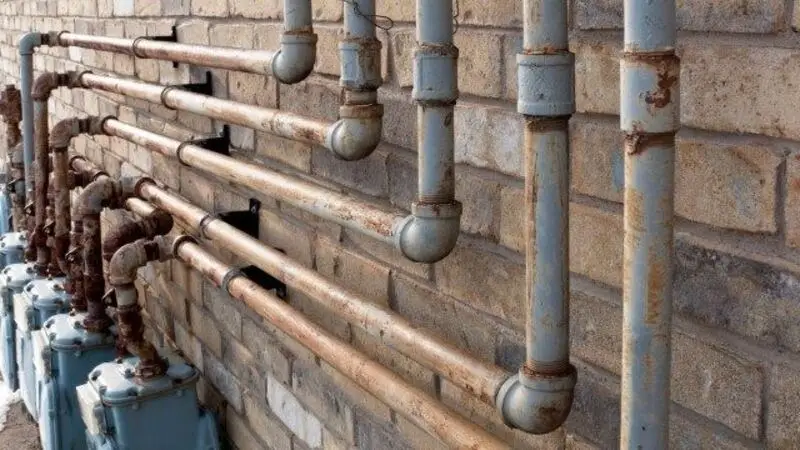
Old pipes are not smooth, perfect tubes forever. Over years, internal surfaces can develop scale, corrosion products, mineral deposits, iron buildup, manganese deposits, and biofilm. Some of this material may stay attached to the pipe wall. Some may settle in low-flow areas. Some may collect at dead ends, bends, valves, or fixtures. Under steady flow, it may remain mostly undisturbed.
That is why water can look normal for weeks or months, then suddenly change after a pressure event. The sediment did not appear from nowhere. It may have been inside the pipe or building system already. The pressure rebound simply moved it. This is one reason residents in older buildings or older neighborhoods may notice brown or orange water after repairs or hydrant activity.
Pressure Rebounds Can Stir Up Iron and Manganese
Iron and manganese are common reasons water becomes brown, orange, blackish, or tea-colored. These elements can occur naturally or build up in distribution systems and plumbing. When pressure or flow direction changes, deposits can loosen and travel to taps. The result may look alarming even when the issue is mostly aesthetic.
Uisce Éireann explains that brown or orange water can come from sediment in old cast iron mains and that sediment may be disturbed by changes to water flow, direction, or pressure, often during repair or maintenance work. Its page on discoloured water gives a clear public-utility explanation of this process. The key point is that pressure changes can convert hidden sediment into visible water complaints.
Why the First Water After a Rebound Looks Worst
After a pressure rebound, the first water reaching a tap may carry the most disturbed material. That is why residents may see dark or rusty water at first, followed by gradual clearing. In some cases, the issue clears after running cold water for a short time. In other cases, sediment continues moving through the system for longer, especially if the disturbance affected a main, riser, water heater, storage tank, or building loop.
This does not mean residents should run water endlessly. A short flush can help identify whether the issue is temporary. If water does not clear, keeps returning, or affects multiple fixtures, the pattern should be reported. A pressure rebound may explain the first event, but repeated discoloration may mean the system needs more attention.
Pressure Drops Matter Before the Rebound
The rebound is visible, but the pressure drop before it also matters. Low pressure can create water-quality concerns because it changes the normal hydraulic protection of the system. In some circumstances, low or negative pressure can create opportunities for intrusion if there are weaknesses, leaks, or cross-connections in the system. That is different from sediment disturbance, but both can be connected to pressure events.
The CDC notes in healthcare water-management guidance that system disruptions or pressure drops, water main breaks, and loss of disinfectant residual can affect facility water quality. Its water management toolkit is aimed at healthcare settings, but the principle is useful: pressure disruptions are not just a comfort issue; they can affect how water systems behave. For ordinary residents, official boil-water notices or utility advisories should always be followed when issued.
Old Building Plumbing Can React Differently Than City Mains
Pressure rebounds can disturb sediment in public mains, but they can also disturb sediment inside buildings. In high-rise apartments, co-ops, older rentals, and mixed-use properties, water may pass through service lines, risers, valves, tanks, pumps, heaters, and branch lines. A pressure change in one part of the building may shake loose material that residents never noticed before.
This is why two buildings on the same block can have different water after the same utility work. One building may clear quickly. Another may release rust-colored water from old risers. One unit may see particles only from a bathroom faucet. Another may have clean cold water but discolored hot water. In dense housing, city life water often depends on both public infrastructure and private building plumbing.
Hot Water Systems Can Add Their Own Sediment
If discoloration appears only in hot water after a pressure rebound, the issue may involve the building’s hot-water system rather than the incoming cold supply. Water heaters, boilers, storage tanks, and hot-water lines can collect sediment over time. A restart, maintenance event, or pressure shift can move that material into fixtures.
Residents should test hot and cold water separately. If cold water is clear but hot water is rusty, the building’s hot-water system should be reported to management. If both hot and cold water are discolored, the issue may be broader. This simple check helps prevent residents from blaming the city supply when the problem may be inside the building.
Why Some Faucets Show More Sediment Than Others
One faucet may show more sediment because of its location in the plumbing path. A fixture at the end of a branch line may collect more stagnant water. A rarely used sink may release more particles after a pressure event. A kitchen faucet may have a clogged aerator that traps debris, while a bathtub faucet without an aerator may show color but fewer visible particles.
Testing multiple fixtures helps reveal the pattern. If only one faucet shows particles, check the aerator. In scenarios where discolored flushes persist across multiple taps following pressure shocks, professional independent lead water testing in the Bronx can establish whether aging service lines are leaching heavy metals along with loose rust particles. If several fixtures show the same discoloration, the issue is more likely in the unit, riser, building, or street supply. Residents should document fixture-specific differences before reporting the problem.
Aerators Become Sediment Catchers
Faucet aerators can trap sediment after pressure rebounds. A resident may notice reduced flow, gritty particles, rusty specks, or uneven spray. Cleaning the aerator can sometimes improve flow and remove visible debris from that fixture. However, a clogged aerator is also evidence that something moved through the system.
If the aerator is filled with rust-colored material, take a photo before cleaning it. If it clogs again soon after, report the pattern. A one-time clog after known maintenance may be temporary. Repeated clogging may suggest ongoing disturbance or corrosion. Aerators can be useful clues because they capture what residents might otherwise miss.
Why Pressure Rebounds Can Stain Laundry
Discolored water after pressure rebounds can stain white clothing, towels, sheets, and baby items. Iron-rich or rust-colored water may leave orange or brown marks, especially if laundry is washed while the water is still disturbed. Drying stained items with heat can make stains harder to remove.
If water is visibly discolored after a pressure event, delay laundry until the cold water runs clear. If building management or a utility has announced work, avoid washing light-colored clothes during the expected disturbance window. This is one of the practical reasons discoloration matters even when it is described as an aesthetic issue. Water is not only for drinking. It affects daily household tasks.
What Residents Should Do First
The first response should be practical. Run cold water briefly from the affected tap and see whether it clears. Do not use hot water for drinking or cooking. Check another fixture. Remove and inspect the aerator if one faucet has particles or weak flow. Ask neighbors whether they see the same issue. Check for building notices, water shutoff messages, street work, hydrant flushing, or utility repairs.
If the discoloration clears quickly and matches a known pressure event, it may be temporary. If it persists, repeats, smells unusual, contains particles, or affects multiple units, report it. Residents can also share their experience through real stories, where everyday observations help show how water events affect people beyond technical explanations.
What Building Managers Should Look For
Building teams should not dismiss pressure-related discoloration without checking the system. They may need to review recent shutoffs, valve operations, pump restarts, hot-water maintenance, riser work, tank cleaning, or nearby utility repairs. They should also compare reports by floor, line, and fixture type. If multiple residents on the same riser report brown water, that pattern matters.
Managers can reduce resident anxiety with clear communication. A notice should explain what happened, which areas may be affected, whether residents should run cold water, whether laundry should be delayed, and when to report continued discoloration. Silence makes residents assume the worst. Communication turns a pressure rebound event into a manageable building issue.
When Flushing Helps
Flushing can help move disturbed sediment out of the affected lines. Utilities and building teams may use controlled flushing after repairs or pressure events. Residents may be advised to run cold water until it clears. However, flushing should be guided by context. Running every tap without a plan can waste water and may not solve a building-level issue.
If a utility or building provides instructions, follow them. If no instructions exist, a short cold-water flush at the affected tap can help assess whether the issue clears. If water remains discolored after several minutes, report it instead of continuing indefinitely. The goal is to clear temporary disturbance, not normalize constant water waste.
Pressure Rebounds and Water Main Breaks
Water main breaks can cause pressure changes and sediment disturbance. When a main breaks, pressure may drop in nearby areas. Repairs may require valves to be closed and reopened. When service returns, flow direction and pressure can shift, moving sediment through the system. Residents may then see brown water, air, sputtering, or particles.
In some cases, utilities issue advisories after main breaks or pressure loss. Follow official guidance. If a boil-water advisory is issued, boiling may be required for drinking, cooking, brushing teeth, and certain uses until the advisory is lifted. Do not assume a pressure event is harmless if local authorities have issued instructions. Water alerts should always be taken seriously.
Why Repeated Rebounds Can Keep Sediment Moving
A single pressure rebound may disturb sediment once. Repeated pressure swings can keep material moving. Buildings with frequent shutoffs, pump problems, pressure fluctuations, or recurring repairs may see repeated discoloration events. Over time, residents may lose confidence in the tap even if each event is described as temporary.
This is where water quality becomes a trust issue. Repeated visible changes deserve a more structured review. Are old pipes releasing sediment? Are valves being operated too abruptly? Is a pressure-management issue causing repeated disturbance? Are hot-water systems overdue for maintenance? The answer may require building maintenance records, plumbing inspection, or water testing.
Can Sediment Carry Other Metals?
Sediment and corrosion particles can sometimes carry metals or interact with plumbing materials. Brown water does not automatically mean lead, but older plumbing and corrosion concerns should not be ignored. If a building has old service lines, old fixtures, or lead concerns, pressure-related disturbance may prompt residents to ask whether lead testing or other analysis is appropriate.
The EPA explains that lead can enter drinking water through corrosion of plumbing materials and that using cold water and flushing after water has been sitting can reduce exposure. Its information on lead in drinking water is relevant when old pipes are part of the concern. The important distinction is that discoloration is not proof of lead, but repeated pipe disturbance can justify better questions.
When Testing Makes Sense
Testing makes sense when discoloration is persistent, recurring, unexplained, or tied to vulnerable household use. It also makes sense when residents need documentation for building management, a landlord, or a board. The test should match the concern. If the issue is brown or orange water, iron and manganese may be relevant. If old plumbing is a concern, lead and copper sampling may matter. If pressure loss raised contamination concerns, bacteria testing may be appropriate.
Sampling location also matters. A kitchen tap may not represent a bathroom tap. A first-draw sample may show different results from a flushed sample. Hot-water samples tell a different story than cold-water samples. Testing without a good sample plan can create confusing results. Residents following water news and trends can see how testing, infrastructure, and public communication often overlap after visible water events.
What Not to Do After a Pressure Rebound
Do not drink visibly discolored water if the cause is unknown. Do not use hot tap water for drinking or cooking. Do not wash white laundry while the water is brown. Do not ignore chemical, sewage-like, or fuel-like odors. Do not assume one clear fixture proves every fixture is clear. Do not run water endlessly if it does not improve. Do not dismiss repeated events as normal just because old pipes are involved.
At the same time, do not panic over every brief discoloration event after known maintenance. Observe, document, flush briefly if appropriate, check official notices, and report persistent problems. The goal is a calm response that respects both technical reality and resident concerns.
The Bottom Line
Pressure rebounds can disturb sediment in old pipes by changing flow, direction, and force after a pressure drop, shutoff, repair, pump restart, hydrant use, or valve operation. Material that had been sitting on pipe walls or settled in low-flow areas can loosen and travel to taps. Residents may see brown water, orange water, particles, metallic taste, clogged aerators, or stained laundry.
Sometimes the issue is temporary and clears quickly. Sometimes it points to building plumbing, hot-water systems, repeated pressure swings, or older infrastructure that needs attention. The best response is to check hot versus cold water, test multiple fixtures, inspect aerators, ask neighbors, look for maintenance notices, document the pattern, and report persistent discoloration. Pressure rebounds are invisible until they move something visible. When old pipes are involved, that visible signal deserves more than a shrug.