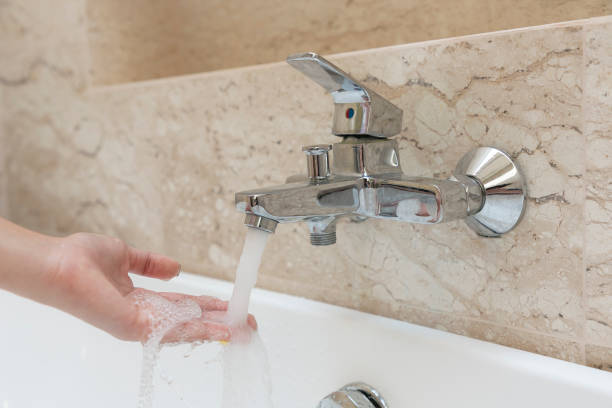
In winter, some residents notice a strange problem: the cold water seems to run forever before it feels truly cold, clear, or normal. In other homes, the opposite happens, and the tap water feels icy almost immediately. But in high-density buildings, older apartments, mixed-use properties, and dense city neighborhoods, winter water behavior can feel inconsistent. A kitchen tap may run lukewarm for a while. A bathroom sink may take longer to clear. A shower may start with water that does not match what residents expect. It can make people wonder whether something is wrong with the plumbing, the building, or the public water supply.
The answer is often more complicated than “winter water is colder.” In buildings, water temperature and flow are shaped by pipe location, building heat, shared plumbing, pipe insulation, water movement, risers, mechanical rooms, fixture location, and how long the water has been sitting. Winter can exaggerate all of those factors. In some cases, long cold-water run times are harmless but annoying. In other cases, they may point to plumbing layout, cross-connection, recirculation issues, or building maintenance questions. Readers exploring water behavior in dense living environments can start with city life water to understand how ordinary tap experiences are shaped by urban systems.
Cold Water Is Not Always “Instant” in Large Buildings
In a small home, cold water may travel a shorter path from the main line to the faucet. In a larger apartment building, water may pass through service lines, mechanical spaces, risers, branch lines, valves, and fixture connections before reaching the tap. The longer and more complicated the path, the more opportunity the water has to change temperature while sitting inside the building.
If the cold water line passes through heated spaces, near steam pipes, near hot water lines, or through warm mechanical rooms, the water in that section may warm slightly while stagnant. When a resident opens the tap, they first receive the water that was sitting in the local pipe. Only after that water clears does fresher water from farther back in the system arrive. That is why cold water can take time to feel properly cold.
Winter Heating Can Warm Cold-Water Pipes
It may seem strange that cold water can feel warmer in winter, but building heat can play a major role. Many older buildings have steam heat, radiators, hot-water heating pipes, or heated utility spaces. Cold-water lines may run near these heat sources. If the water sits in those pipes for hours, it can pick up warmth from the surrounding environment.
This can be most noticeable first thing in the morning, after returning home from work, or at a tap that has not been used for a while. The first water out may feel room-temperature or even slightly warm, then become colder after running. This does not always mean the public water supply is warm. It may mean the water in the building’s pipes warmed while sitting.
Stagnant Water Behaves Differently Than Moving Water
Water that sits still inside plumbing can change in temperature, taste, odor, and sometimes appearance. In winter, stagnant water inside heated building spaces may not feel as cold as fresh incoming water. In older plumbing, stagnant water can also pick up more noticeable metallic taste or building-specific character. That is why some residents run the cold tap briefly before filling a glass.
The EPA advises using only cold water for drinking, cooking, and making baby formula, and flushing pipes by running the tap when water has not been used for several hours if lead may be a concern. Its information on lead in drinking water explains why plumbing materials and water sitting in pipes can matter. The practical point is not to waste water endlessly, but to recognize that first-draw water and flushed water can be different.
Your Fixture Location Matters
One faucet may behave differently from another because each fixture has its own plumbing path. A kitchen sink on an interior wall may run through different lines than a bathroom sink near an exterior wall. A fixture close to a riser may clear faster than one at the end of a branch line. A rarely used guest bathroom may have water sitting longer than the main kitchen tap.
This is why residents should not judge the entire building based on one tap. Test multiple fixtures. Does the kitchen cold water take longer than the bathroom? Does the issue happen only in one sink? Does it happen on hot and cold lines? Does it improve after regular use? These details can reveal whether the issue is fixture-specific, unit-specific, or building-wide. That kind of pattern-checking fits into broader infrastructure deep dives, where small observations can point toward the path water takes inside a building.
Cold Water Lines Can Run Near Hot Water Lines
In crowded walls, ceilings, shafts, and mechanical areas, hot and cold lines may run near each other. If insulation is poor or the pipes are tightly grouped, heat transfer can occur. Cold water sitting next to a hot water pipe may warm up slightly. This can make the cold tap feel lukewarm at first, especially after long periods of non-use.
If cold water becomes warm for a long time, or if it never becomes properly cold, there may be a plumbing issue worth reporting. A brief warm start that clears quickly may simply reflect pipe location. But persistent warm cold-water flow could suggest cross-over, mixing, valve issues, or building plumbing problems. Residents should document how long it takes to clear and whether it happens at more than one fixture.
Mixing Valves and Cross-Connections Can Cause Confusion
Sometimes cold water feels warm because hot water is entering or influencing the cold line. This can happen through faulty mixing valves, single-handle fixtures, recirculation problems, or cross-connection issues in certain plumbing setups. In a large building, one faulty component may affect more than one area, depending on the system design.
If cold water comes out warm for several minutes, if cold water temperature changes when another fixture runs, or if neighbors report the same issue, building maintenance should investigate. Cross-connection problems can be technical, and residents usually cannot diagnose them alone. A clear report with timing, fixture, and temperature pattern can help maintenance or plumbers locate the cause.
Why It Can Feel Worse on Upper Floors
Upper floors may experience different water behavior depending on building design. Water may travel through longer vertical risers, pressure systems, storage tanks, booster pumps, or branch lines before reaching the unit. The longer the water sits in heated shafts or upper-level plumbing, the more the first-draw temperature may differ from the incoming supply.
This does not mean upper floors always have worse water. It means floor level can influence the experience. In some buildings, lower floors may be closer to service entry. In others, roof tanks or upper mechanical systems may shape the water path. Residents comparing notes by floor can help identify whether the issue is local or system-wide. The real stories section can be useful for understanding how resident observations often reveal patterns building staff may not see immediately.
Winter Main Water Can Be Colder Outside
Outside the building, public water mains and service lines are affected by seasonal ground temperatures. In many cities, incoming water is colder in winter than summer. That means once fresh water reaches the tap, it may feel noticeably colder. But the water inside the building may first pass through warmer indoor pipes. This contrast can make the wait feel longer: lukewarm first, then suddenly very cold.
Residents may interpret that as “the cold water runs forever,” when the actual issue is that the first portion of water has been warmed by the building environment. Once that standing water clears, the colder winter supply arrives. This pattern is common enough that it should be checked calmly before assuming contamination or a serious failure.
How Long Is Too Long?
There is no universal answer because building size and plumbing layout vary. A few seconds or a short run before the water feels colder may be normal in many buildings. A minute or more may still happen in some layouts, especially if the fixture is far from the main line or has not been used recently. But if cold water stays warm for several minutes, never becomes cold, or changes suddenly from past behavior, it is worth reporting.
The key is change and pattern. Has it always happened in this unit, or did it start recently? Does it happen after plumbing work? Is it worse at certain times of day? Does it happen only in winter? Do neighbors notice it? Does it affect one faucet or all fixtures? These details matter more than a single estimate.
Why Residents Should Avoid Hot Tap Water for Drinking
If cold water takes time to feel cold, some residents may be tempted to use hot water for convenience and then cool it. That is not a good habit for drinking or cooking. Hot water can dissolve metals more readily from some plumbing materials and may have passed through water heaters or building hot-water systems. For drinking, cooking, and baby formula, cold water is generally recommended.
The CDC also advises using cold water for drinking, cooking, and preparing baby formula because hot water can release more lead from pipes. Its guidance on lead in drinking water is especially relevant for families in older buildings. If cold water needs a short flush before use, that is usually better than using hot tap water for consumption.
Cold Water Wait Times Can Affect Hydration
When cold water feels inconvenient, people may drink less. They may wait for the tap to run, get annoyed, walk away, or switch to bottled drinks. In apartment living, small barriers can change hydration habits. If the cold water takes a long time to feel fresh, residents may benefit from a practical routine: run the tap briefly, fill a pitcher, refrigerate it, and use that for drinking throughout the day.
This connects directly with urban health. Hydration is not only a personal discipline issue. It is shaped by trust, convenience, taste, temperature, and the built environment. If water feels unpleasant or annoying to access, residents may be less consistent about drinking it.
Filters and Pitchers Can Help, But They Need Maintenance
A filter pitcher or faucet-mounted filter can help with taste and convenience, especially if residents prefer cold water ready in the refrigerator. But filters need correct use. A filter that is not changed on schedule may lose effectiveness or affect taste. A pitcher that is not washed can develop odors. A faucet filter may slow flow and make the “cold water wait” feel even longer.
If the main issue is temperature, a pitcher in the refrigerator may be simpler than running the tap repeatedly. If the issue is taste, choose a filter certified for the concern you have. If the issue is possible lead, make sure the filter is certified for lead reduction and maintained exactly as directed. The wrong filter may create false confidence.
Check the Aerator for Sediment
Faucet aerators can collect sediment, mineral particles, and debris. In winter, plumbing disturbances, repairs, or changes in pressure may move small particles through the system. If cold water seems slow, uneven, or odd at one fixture, the aerator may be worth checking. A clogged aerator can change flow and make the wait feel longer.
Carefully remove and clean the aerator if the fixture allows it. If it is packed with rust-colored sediment, grit, or unusual material, take a photo before cleaning. That information may be useful when reporting the issue. If the aerator clogs repeatedly, the concern may not be only the faucet. It may be related to building plumbing or water disturbance.
Ask Whether Building Work Recently Happened
Cold water behavior can change after maintenance. Valve repairs, pump work, water shutoffs, pipe replacement, riser work, boiler service, and renovations can all affect flow, temperature, and first-draw water. Residents should check building notices and ask management whether any recent work occurred.
If cold water suddenly begins running warm or taking much longer to clear after maintenance, report that timing. It may help building staff identify a valve issue, mixing problem, or line disturbance. Good building communication can prevent residents from guessing and help maintenance teams respond faster.
What to Track Before Reporting
Before contacting building management or a plumber, track a few details. Which fixture is affected? Is it cold water only? How long does it take to become cold? Does it happen after water sits overnight? Does it happen all day? Does hot water behave normally? Do neighbors have the same issue? Did building work happen recently? Is there odor, discoloration, or particles?
A useful report might say: “For the past two weeks, the kitchen cold tap runs lukewarm for about two minutes every morning before becoming cold. Bathroom cold water clears in 20 seconds. No discoloration.” Or: “All cold taps in the unit are warm for several minutes, and neighbors on the same line report the same.” Specific details are more likely to produce a useful response than a general complaint.
When It May Be More Than Annoying
Cold water running warm for a long time may be more than a comfort issue if it suggests hot-water cross-over, plumbing malfunction, or building-system problems. It also matters if the water has discoloration, odor, visible particles, or unusual taste. Temperature alone may not be dangerous, but temperature plus other changes deserves more attention.
The World Health Organization notes that water safety management includes understanding risks throughout the supply chain, from source to consumer. Its information on drinking-water provides a broad public health context for why distribution systems and household handling matter. In dense buildings, the final steps from building entry to tap are part of the resident’s lived water experience.
Practical Habits for Winter Cold Water
Residents can build practical habits without overreacting. Use cold water for drinking and cooking. Run the cold tap briefly after long stagnation, especially first thing in the morning. Fill a clean pitcher after the water runs cold and refrigerate it for later. Clean faucet aerators occasionally. Avoid drinking or cooking with hot tap water. Watch for changes in odor, color, particles, or taste. Report persistent warm cold-water flow or sudden changes.
These small habits can reduce frustration and support better daily water use. They are especially useful in older buildings, high-rise apartments, and dense housing where water may travel through longer internal paths. Residents following water news and trends may also notice when seasonal conditions, infrastructure work, or building maintenance affect what they experience at the tap.
The Bottom Line
Your cold water may seem to run forever in winter because water sitting in building pipes can warm up before fresh colder supply reaches the faucet. Heating systems, pipe location, shared risers, hot and cold lines running close together, fixture distance, stagnation, upper-floor plumbing, and building maintenance can all affect how long it takes for water to feel cold. In many cases, this is annoying but not alarming.
Still, residents should pay attention to patterns. If cold water stays warm for several minutes, never becomes cold, suddenly changes after maintenance, affects multiple fixtures, or comes with odor, discoloration, particles, or taste changes, it deserves a report. The practical response is simple: observe, test more than one fixture, use cold water for drinking and cooking, flush briefly after long stagnation, document the pattern, and ask building management to investigate if the issue does not make sense. Winter water behavior can be strange, but it becomes easier to understand when residents look at the building system behind the tap.