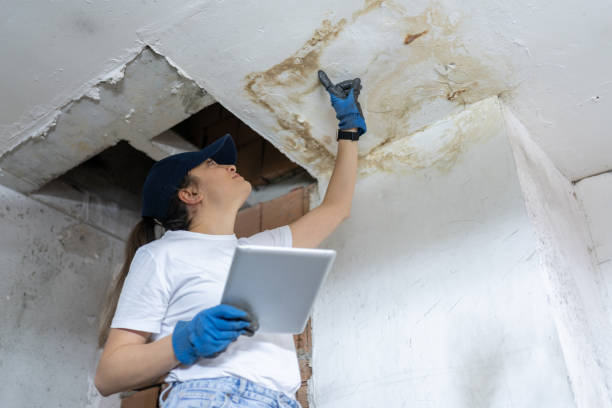
When water looks, smells, tastes, or behaves differently, one of the first questions residents ask is: is this just my building, or is the whole block dealing with it? That question matters because the answer changes what to do next. A building-level issue may need a superintendent, property manager, plumber, landlord, or building board. A block-level issue may involve water main work, hydrant activity, pressure changes, utility repairs, or neighborhood-wide water movement. Without knowing the pattern, residents can waste time reporting the problem to the wrong place.
The good news is that many water issues leave clues. The affected fixtures, timing, hot versus cold water, neighbor reports, building notices, street work, pressure changes, and whether the issue appears across multiple buildings can all help narrow the source. You may not be able to diagnose the technical cause yourself, but you can collect enough information to ask better questions. For residents watching everyday water problems unfold in dense neighborhoods, city life water helps frame water as both a household issue and a shared urban system.
Start With One Simple Question: Who Else Has It?
The fastest way to separate a building issue from a block issue is to ask who else notices the same thing. If only your unit has brown water, odor, low pressure, or strange taste, the issue may be local to your apartment, fixture, or branch line. If several apartments in the same building have it, the issue may be inside the building. If residents in nearby buildings or neighboring businesses also have it, the issue may be connected to the block, street, or public water system.
This does not mean neighbor reports replace professional review. It simply helps identify the pattern. Ask nearby residents clear questions: Is your cold water affected? Is it hot water only? When did it start? Is it every faucet or one faucet? Is the water discolored, smelly, cloudy, or low pressure? Specific answers are much more useful than general complaints.
Check More Than One Faucet
Before deciding the issue is building-wide or block-wide, test multiple fixtures in your own unit. Check the kitchen sink, bathroom sink, shower, and any other tap. Test cold water first, then hot water separately. If only one faucet has an issue, the cause may be local: a dirty aerator, fixture corrosion, branch-line disturbance, drain odor, or faucet-specific problem.
If every fixture in your unit shows the same issue, the concern may be broader than one faucet. If other apartments in your building also have the same pattern, the building plumbing may be involved. If other buildings have the same issue, the block or public supply may be involved. This kind of step-by-step checking is part of the practical thinking behind infrastructure deep dives.
Separate Hot Water From Cold Water
Hot-water-only problems often point toward the building, especially in apartments, co-ops, condos, and high-rises. If cold water is clear and normal but hot water is brown, rusty, smelly, or slow to clear, the building’s hot water system may be involved. That could mean a water heater, boiler, storage tank, recirculation line, or hot-water riser issue.
Cold-water problems can still be building-related, but they may also connect to public water mains, service lines, hydrant work, or block-level pressure changes. Testing hot and cold separately gives management or a plumber a much better starting point. A report that says “the water is bad” is vague. A report that says “hot water is brown from all bathroom fixtures, but cold water is clear” is useful.
Look for Timing Clues
Timing is one of the strongest clues. Did the water change after a building water shutoff? After plumbing repairs? After a new fixture was installed? After street construction? After hydrant use? After a water main break? After heavy rain? After a pressure drop? The timing can suggest whether the issue began inside the building or outside on the block.
If the issue starts right after building maintenance, check with management first. If the issue starts while there is street work, hydrant activity, or utility repair nearby, the block may be involved. NYC DEP notes that discolored water can happen when sediment in water mains is disturbed by construction, water main breaks, or hydrant use, and residents can run cold water until it clears. Its drinking water FAQs give useful context for common city water appearance issues.
Check Building Notices and Utility Alerts
Before assuming the source, look for official information. Check lobby notices, emails from building management, tenant portals, board updates, and messages from the superintendent. Then check local utility alerts or municipal water updates. If there was scheduled main work or emergency repair, the issue may already be known.
Building notices are especially important in large properties because residents may not see work happening in mechanical rooms, basements, risers, tanks, pumps, or water heater areas. Utility alerts are important because residents may not know about work on a nearby main, valve, or hydrant. The more information you collect before reporting, the faster the right party can respond.
Brown Water in One Building vs. Brown Water on the Block
Brown or rusty water can be building-related or block-related. If only one building has brown water, old risers, hot water tanks, internal repairs, or fixture-level disturbance may be involved. If multiple buildings on the same street suddenly have brown water, the issue may involve water main sediment, hydrant use, repairs, or pressure changes.
The EPA’s secondary drinking water standards discuss iron and manganese as substances that can cause color, staining, and taste issues even when they are treated as aesthetic or nuisance concerns rather than primary health standards. The EPA page on secondary drinking water standards helps explain why discoloration may be described differently from a direct health violation. Even so, residents should avoid drinking visibly discolored water until they understand the situation and it clears.
Low Pressure Can Point in Different Directions
Low water pressure in one faucet may be a clogged aerator or fixture issue. Low pressure in one unit may involve a valve, branch line, or apartment plumbing. Low pressure across many units may involve building pumps, pressure-reducing valves, tanks, or risers. Low pressure across multiple buildings may point toward public main work, a main break, hydrant use, or utility-side pressure changes.
Pressure issues deserve careful attention because sudden pressure drops can affect water system behavior. If pressure loss is widespread and official advisories are issued, follow them. Do not assume a pressure issue is harmless just because water still runs. Report severe, sudden, or widespread pressure changes promptly.
Odor Clues Can Help Narrow the Source
Odors can be tricky because the smell may come from water, drains, hot water systems, or fixtures. If one sink smells bad but water in a clean glass smells normal away from the drain, the drain may be the issue. If hot water smells like rotten eggs but cold water does not, the building hot-water system may be involved. If cold water from multiple buildings has the same odor, the issue may be broader.
The CDC explains that private wells should be tested when there are changes in taste, odor, or appearance, and while public water systems are different, the same practical principle applies: changes deserve attention and context. Its guide on testing well water is useful for understanding why odor, taste, and appearance changes should not be ignored. In public-water buildings, the next step may be building reporting, utility contact, or targeted testing depending on the pattern.
Cloudy Water: Building, Block, or Air?
Cloudy water can come from tiny air bubbles, especially after pressure changes. Fill a clear glass and watch. If the cloudiness clears from the bottom upward, air bubbles are likely. If particles settle at the bottom, sediment may be involved. If the cloudiness remains, has odor, or appears in multiple buildings, more attention may be needed.
If cloudy water appears only after building plumbing work, the building may be the source. If it appears across the block after utility work, the public system may be involved. If it clears quickly and looks like air, it may be temporary. The key is observation before conclusion.
Ask the Right Neighbors
When checking whether the issue is your building or block, ask more than one kind of neighbor. In your building, ask someone above you, below you, and on the same line if possible. On the block, ask residents in a nearby building, a ground-floor business, or a neighboring property. If only your vertical line has the issue, the riser may be involved. If multiple unrelated buildings have it, the block becomes more likely.
This is especially useful in high-density areas where one building may have its own plumbing issues while the block is fine. A single neighbor’s answer may not be enough. A small pattern is better than one report. The real stories section reflects how resident patterns often reveal more than isolated complaints.
Understand the Role of Service Lines
A water issue can sometimes be between the public main and the building, not fully inside either one. The service line connects the building to the public water main. If there is disturbance, corrosion, old material, or repair activity in that connection, the building may experience water issues while neighboring buildings do not.
This middle zone can make source questions complicated. A building may blame the city, and the city may point to the building. Residents may need clearer documentation, water testing, or inspection to understand the boundary. This is why detailed timing and fixture patterns are important. They help professionals decide whether to look inside the building, at the service line, or at the public main.
When Building Plumbing Is More Likely
A building-level issue is more likely when the problem affects only one building, only hot water, only one riser, only upper floors, only certain fixtures, or starts after internal maintenance. It is also more likely when nearby buildings report normal water. Building-related causes may include water heaters, tanks, old risers, pumps, pressure valves, fixture aerators, local corrosion, or recent plumbing repairs.
In these cases, residents should report the issue to building management with specifics. The building may need to inspect mechanical systems, flush lines, clean tanks, check valves, review recent repairs, or bring in a plumber. A vague complaint may be dismissed. A clear pattern is harder to ignore.
When Block-Level or Utility Issues Are More Likely
A block-level issue is more likely when multiple buildings notice the same issue at the same time, especially in cold water. It is also more likely when there is street work, hydrant flushing, water main repair, a main break, pressure drop, or official utility notice. If businesses, neighboring apartment buildings, and homes all report similar brown water or pressure changes, the block or public system may be involved.
Residents should check local water utility updates and report the issue if needed. If officials provide instructions, follow them. If a boil-water advisory or do-not-use advisory is issued, do not rely on building-level guesses. Official advisories should guide household decisions.
Use Photos and Clear Samples
Photos can help document water issues, especially discoloration and particles. Use a clear glass or white container. Photograph the water next to a neutral background if possible. Note the time, fixture, hot or cold water, and whether the water cleared after running. If sediment settles, photograph before and after settling.
Do not collect random samples for laboratory testing without knowing what the test requires. Some tests need specific bottles, preservatives, timing, first-draw samples, or lab instructions. But photos and notes are useful for initial reporting. They help management or utilities see what residents are describing.
Be Careful With Filters During Troubleshooting
If you use a filter, compare filtered and unfiltered water. Sometimes a filter can create odor or taste issues if it is old, dirty, or past replacement. If filtered water smells strange but unfiltered tap water does not, the filter may be the issue. If both smell or look the same, the issue is likely upstream from the filter.
Filters can also hide visible clues. During troubleshooting, look at raw cold tap water from more than one fixture. Then decide whether the filter is improving, worsening, or not changing the issue. Residents following water news and trends may notice that filter discussions often become confusing when the original water problem has not been identified.
When Testing Makes Sense
Testing makes sense when the issue is persistent, recurring, unexplained, or connected to health concerns. It also makes sense when residents need documentation for a landlord, board, property manager, or public agency. The test should match the question. Brown water may call for iron, manganese, and metals. Lead concerns require proper lead sampling. Odor concerns may require different analysis. Bacteria concerns require specific bottles and handling.
The EPA explains that lead can enter drinking water through corrosion of plumbing materials, especially service lines, faucets, and fixtures. Its information on lead in drinking water is important when older plumbing or building materials are part of the concern. Testing should be planned carefully because one sample from one faucet may not represent the whole building or block.
How to Report a Building-Level Issue
When reporting to building management, be specific. Say which unit, which fixture, hot or cold water, time of day, appearance, smell, pressure, how long it lasted, whether it cleared, and whether neighbors noticed it. Mention recent building work if known. Ask whether other complaints have been received and whether maintenance will check the system.
A strong report might say: “Cold water at the kitchen and bathroom sinks has been brown every morning for three days. It clears after four minutes. Hot water is clear. Two neighbors on the same line report the same issue.” That is much more useful than “water is bad.”
How to Report a Block-Level Issue
When reporting to a utility or local water agency, include the address, time, affected fixtures, whether nearby buildings are affected, and whether there is street work or hydrant activity. If the utility has an online form or hotline, use the official channel. If there is an emergency, follow emergency reporting instructions.
Utilities need location patterns to identify main breaks, hydrant disturbances, pressure changes, or neighborhood complaints. If many residents report the same issue clearly, the pattern becomes easier to see. If everyone assumes someone else reported it, the issue may take longer to receive attention.
The Bottom Line
To tell whether a water issue is from your building or your block, follow the pattern. Check multiple fixtures. Separate hot and cold water. Ask neighbors in your building and nearby buildings. Look at timing, recent maintenance, street work, utility alerts, pressure changes, odor, color, and whether the issue clears. One faucet often points local. Hot-water-only issues often point building. Multiple units may point building systems. Multiple buildings at the same time may point block or utility conditions.
You do not need to diagnose the entire water system yourself. You need to collect useful clues. Clear observations help building managers, plumbers, utilities, and health agencies respond faster. A water issue becomes less confusing when residents move from panic to pattern: who has it, where it happens, when it started, and whether it is one fixture, one building, or the whole block.