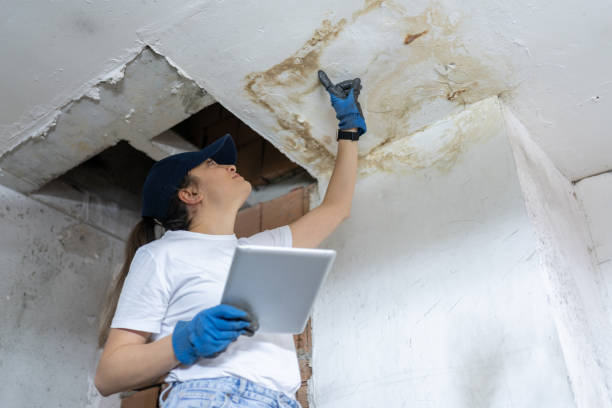
Hydration sounds simple: drink enough water, listen to your body, and keep a bottle nearby. But in high-density buildings, the way people think about drinking water can change. Apartment towers, co-ops, condos, dorm-style housing, mixed-use buildings, and dense city blocks all shape daily water habits in ways many residents do not notice at first. The water may come through shared plumbing, travel through building systems, sit in pipes overnight, pass through older fixtures, or vary in taste from one floor to another. Even when the public water supply is treated and monitored, the building environment can still affect how confident residents feel about what comes from the tap.
Living in a high-density building can also change hydration behavior. Some residents drink less water because they dislike the taste. Others rely on bottled water because they worry about old pipes. Some forget to hydrate during long commutes, elevator delays, busy workdays, or small-apartment routines. Others drink more during heat waves, gym sessions, or long walks through the city. Hydration in dense housing is not only a personal habit. It is connected to infrastructure, building trust, urban routines, and how people experience water in daily life. For readers following broader city water conversations, city life water is a useful place to understand how urban living affects ordinary water decisions.
High-Density Living Changes How People Experience Water
In a single-family home, residents may think about water as something connected mainly to their own plumbing. In a high-density building, the experience is more shared. Many households may depend on the same building service lines, risers, storage tanks, pressure systems, valves, and maintenance decisions. One unit may notice discoloration while another does not. One floor may report low pressure. One kitchen faucet may taste different from a bathroom sink. This can make water feel less personal and more mysterious.
That uncertainty can influence hydration. If residents are unsure whether the tap is reliable, they may drink less water, buy bottled water, use filters inconsistently, or switch to sweetened drinks. The result is that infrastructure questions become wellness questions. A building’s water story can shape how comfortable people feel drinking enough each day.
Taste and Odor Can Affect Drinking Habits
People are more likely to drink water when it tastes and smells acceptable to them. In high-density buildings, residents sometimes notice chlorine taste, metallic notes, musty smells, stale water after long periods of non-use, or differences between taps. These experiences do not always mean the water is unsafe, but they do affect behavior. If someone dislikes the taste of the tap, they may avoid water without realizing it.
The CDC explains that water is essential for many body functions and that drinking enough water can help prevent dehydration. Its guide on water and healthier drinks is a helpful reminder that water supports daily health. In apartment living, the challenge is not only knowing water matters. It is making drinking water easy, appealing, and trusted enough to become a routine.
Shared Plumbing Can Create Different Experiences
In many high-density buildings, water travels through shared infrastructure before reaching each unit. Building age, pipe materials, repairs, stagnant sections, pressure changes, and fixture conditions can all influence the water at the tap. This is why one resident may notice a concern while another resident in the same building does not. The public supply may be the same, but the final path to each faucet can differ.
This is where infrastructure becomes part of the hydration conversation. Residents may not know whether a taste or color issue comes from the city supply, the building, one riser, one branch line, or one fixture. Readers interested in the systems behind daily water can explore infrastructure deep dives for a broader look at how urban water systems and building-level details can shape what people experience.
Older Buildings Can Add More Questions
Older high-density buildings often have long plumbing histories. Some parts may be updated, while other parts remain older. A renovated kitchen does not always mean every pipe behind the wall has been replaced. A new faucet can still connect to older branch lines. A building may have a mix of materials from different eras, especially if repairs happened gradually over decades.
This can affect how residents think about hydration. A family may drink tap water confidently in one apartment but feel unsure after moving into an older building. A renter may not know what plumbing changes have been made. A condo owner may know their unit renovation history but not the shared riser history. These questions do not always have easy answers, but they can influence daily water choices.
Stagnation Matters in Apartment Routines
Water that sits unused in plumbing for several hours can sometimes taste different when the faucet is first turned on. In high-density living, this may happen overnight, after a weekend away, in rarely used bathrooms, or in units that are vacant part of the time. Some residents run the tap briefly before filling a glass, especially if the water has been sitting.
The EPA advises using only cold water for drinking, cooking, and making baby formula, and flushing pipes by running the tap if water has not been used for several hours when lead may be a concern. Its guidance on lead in drinking water explains why plumbing materials and stagnation can matter. For high-density residents, simple habits like using cold water and letting stagnant water clear can become part of a more confident hydration routine.
Heat Waves Change Hydration Needs
City residents in high-density buildings may feel heat differently. Upper floors, older windows, limited ventilation, heat-retaining pavement, crowded neighborhoods, and uneven air conditioning access can all affect comfort. During hot weather, hydration becomes more important because the body loses more fluid through sweat. Residents may also spend more time walking, commuting, waiting outdoors, or using public transit in heat.
The National Weather Service explains that heat can become dangerous and encourages people to drink plenty of fluids during extreme heat. Its resource on staying safe during heat is useful for city residents who need practical reminders. In high-density buildings, hydration planning during heat waves should be intentional: keep water available, check on older adults, avoid relying only on caffeinated or sugary drinks, and pay attention to signs of dehydration.
Elevators, Commutes, and Busy City Days Affect Water Intake
Hydration is not only about the water inside the apartment. It is also about the daily rhythm of city life. People living in dense buildings may leave early, commute long distances, carry small bags, avoid drinking too much before subway rides, or forget water during errands. Parents may pack water for children but not for themselves. Workers may drink coffee all morning and not realize they have had very little plain water.
These small patterns can add up. A city resident may have clean water at home but still spend most of the day underhydrated because water is not convenient during the commute or workday. The best hydration habits often follow the routine: a glass after waking, a bottle before leaving, water with lunch, and another glass when returning home.
Families With Children Think Differently About Tap Water
Parents in high-density buildings often think about water more carefully. They may use tap water for drinking, cooking, bottles, brushing teeth, rinsing fruit, and preparing meals. If the water looks, smells, or tastes unusual, concern can rise quickly. Even if adults tolerate uncertainty, they may feel less comfortable when children are involved.
This is why water confidence matters for family hydration. A parent who trusts the tap may keep water available and encourage children to drink it. A parent who feels uncertain may switch to bottled water, filters, or other drinks. The issue is not only chemistry. It is trust. Urban health conversations often include this practical layer: how city conditions shape everyday choices inside families.
Filters Can Help, But Only When Used Correctly
Many apartment residents use water filters because they want better taste or extra reassurance. Filters can be helpful, but they are not all the same. Some reduce chlorine taste. Some are certified for lead. Some address certain contaminants but not others. Some need frequent cartridge changes. A filter that is not maintained can become less useful over time.
Residents should choose filters based on the concern they actually have. If taste is the issue, a basic certified filter may be enough. If lead is the concern, look for certification specific to lead reduction and follow replacement instructions closely. Filters should not become a substitute for understanding building-level problems, but they can be one practical tool in a larger hydration plan.
Bottled Water Is Convenient, But Not a Perfect Answer
Some high-density residents rely on bottled water because it feels simple. Bottled water can be useful during advisories, emergencies, travel, or when residents do not trust the tap. But as a daily solution, it can become expensive, heavy to carry, difficult to store in small apartments, and waste-producing. Cases of water take up space, and residents in walk-up buildings or elevator buildings may find them inconvenient.
Bottled water also does not solve the underlying question of why the tap feels untrusted. If the issue is taste, a filter or flushing routine may help. If the issue is discoloration, building management or local water information may be needed. If the issue is old plumbing, residents may need testing, documentation, or maintenance conversations. Bottled water can be a backup, but it should not always be the only plan.
Hydration and Building Communication
In high-density housing, communication can affect trust. If residents see brown water after maintenance and no one explains it, anxiety grows. If a building notifies residents about repairs, flushing, water shutoffs, or changes, people can respond more calmly. Good communication helps residents understand whether an issue is temporary, building-related, or worth further attention.
Residents can also document patterns. Does discoloration happen after construction? Only in the morning? Only in one bathroom? Only on one floor? Does taste improve after running the tap? These details can help building staff, plumbers, or water professionals understand what may be happening. The real stories section can be useful for exploring how everyday residents notice and respond to water concerns.
Hydration in Apartments With Small Kitchens
Small kitchens can make hydration habits harder. If counter space is limited, a large filter pitcher may not fit. If the refrigerator is small, storing cold water may be difficult. If sink access is crowded with dishes, filling bottles may become annoying. These small environmental barriers can reduce water intake more than people realize.
A practical fix might be a slim pitcher, a faucet-mounted filter if appropriate, a reusable bottle near the door, or a simple rule to fill a glass after every meal. Hydration habits work best when they are easy. In small apartments, the best system is not the most complicated one. It is the one residents actually use.
When Water Looks Different
Cloudy, brown, yellow, or particle-filled water can quickly change how people feel about drinking from the tap. Sometimes visual changes may be related to air bubbles, sediment movement, hydrant activity, plumbing repairs, corrosion, or building maintenance. But residents should not ignore repeated or unexplained changes, especially if the water remains discolored after running the tap or affects multiple fixtures.
The best response is practical: avoid drinking visibly unusual water until you understand what is happening, check building notices, ask neighbors if they see the same issue, contact building management, and review local water utility guidance. If concerns continue, testing or professional review may be appropriate. Hydration should feel safe enough to be routine. If water appearance regularly discourages drinking, the issue deserves attention.
Emergency Preparedness in High-Density Buildings
High-density residents should also think about hydration during emergencies. Water service interruptions, main breaks, boil water advisories, storms, power outages, or elevator outages can affect access. Keeping some emergency water at home can be useful, especially for families with children, older adults, pets, or medical needs. The amount depends on household size and local recommendations.
Emergency water storage does not mean living in fear. It means recognizing that dense buildings depend on shared systems. A small supply of drinking water can reduce stress during temporary disruptions. Residents can also follow local alerts and building notifications so they know when tap water guidance changes.
Building a Better Daily Hydration Routine
A better hydration routine in a high-density building should be simple. Use cold tap water for drinking and cooking. Let water run briefly if it has been sitting for many hours, especially in older plumbing. Clean faucet aerators occasionally. Use a certified filter if it matches your concern. Keep a bottle near the door for commuting. Drink water with meals. Pay extra attention during heat waves, exercise, illness, pregnancy, breastfeeding, or long days outside.
Residents can also stay informed through water news and trends, especially when local advisories, infrastructure projects, heat events, or public water updates affect daily routines. Hydration is personal, but in cities, it is also connected to public systems and neighborhood conditions.
The Bottom Line
Hydration changes in high-density buildings because water is experienced through shared infrastructure, building plumbing, daily routines, trust, taste, temperature, storage space, and city life. Residents may drink more or less depending on how confident they feel about the tap, how easy water is to access, and how their building handles maintenance or communication.
The goal is not to fear apartment water. The goal is to understand the factors that shape daily hydration. Use cold water for drinking, pay attention to taste or appearance changes, maintain filters properly, prepare for heat and emergencies, and build simple routines that make water easy to drink. In dense urban living, good hydration is not only about remembering to drink. It is about creating confidence in the water and convenience in the routine.