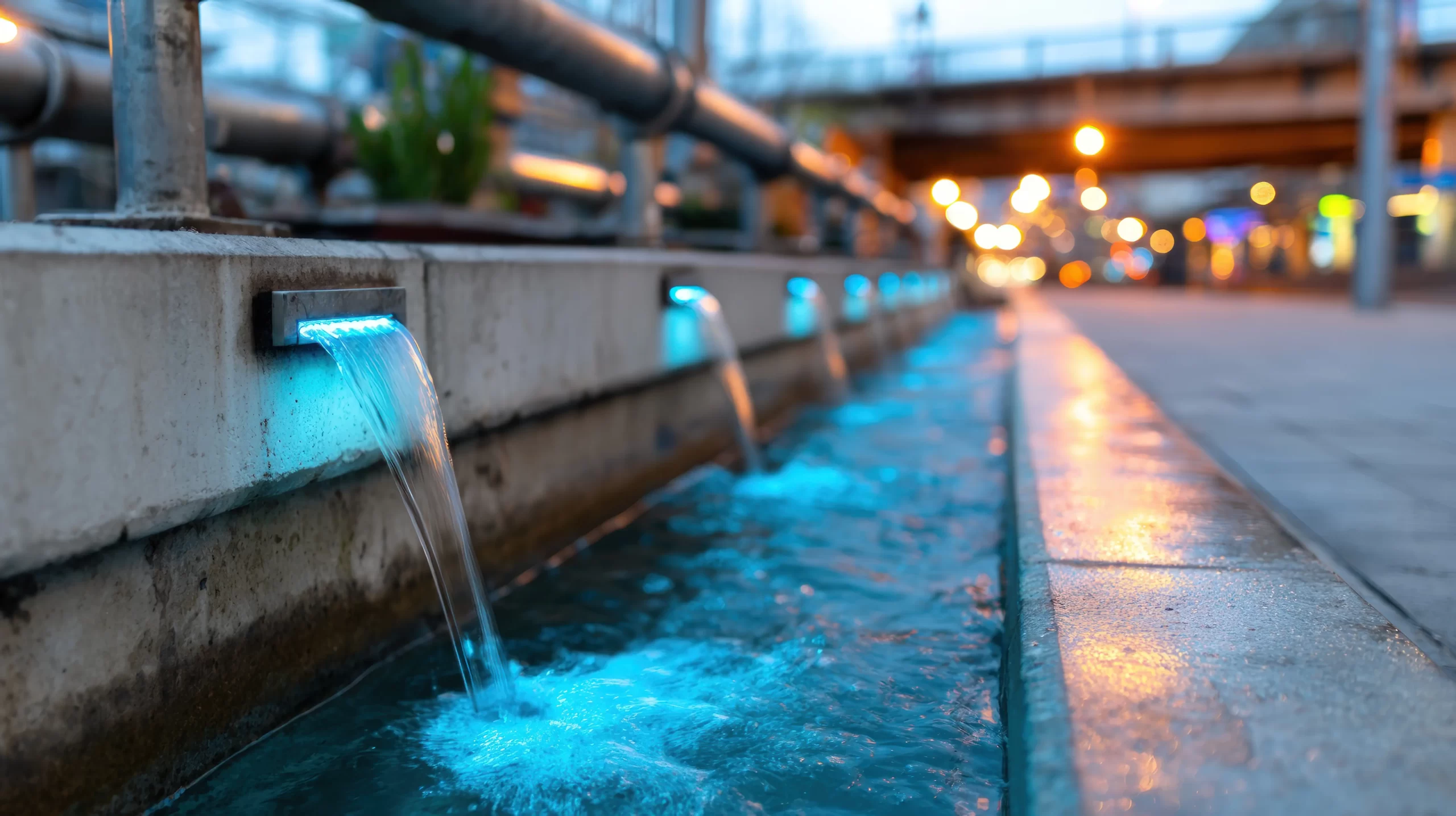

When cities build, water notices.
Redevelopment booms — new towers, rezoning, infrastructure upgrades — put stress on systems that were often designed for a different era. Brown or discolored water tends to spike during these periods, and the connection isn’t coincidence.
Construction changes flow. When pipes are shut off, rerouted, or re-pressurized, sediment that’s settled for years can get stirred up. Older mains, lined with mineral buildup, release particles when disturbed. The result shows up at the tap: yellow, orange, or brown-tinted water that looks alarming but is usually temporary.
Neighborhoods experiencing rapid change feel this most. A new building down the block can alter pressure dynamics. Utility work meant to improve service can briefly disrupt it. In older areas, where pipes have decades of history, the effects are more visible.
Brown water isn’t a sign of neglect — it’s often a side effect of investment. That paradox frustrates residents, especially when communication lags behind construction schedules. Without context, change feels like decline.
Understanding redevelopment-related water changes reframes the experience. It shifts the narrative from “something is wrong” to “something is moving.” The water is reacting to physical change in the city’s skeleton.
As cities continue to densify, these moments will become more common. The challenge isn’t eliminating them entirely — it’s explaining them better, responding faster, and acknowledging that progress has physical consequences.
Water tells the story of a city in transition. Sometimes, it even shows the dust.