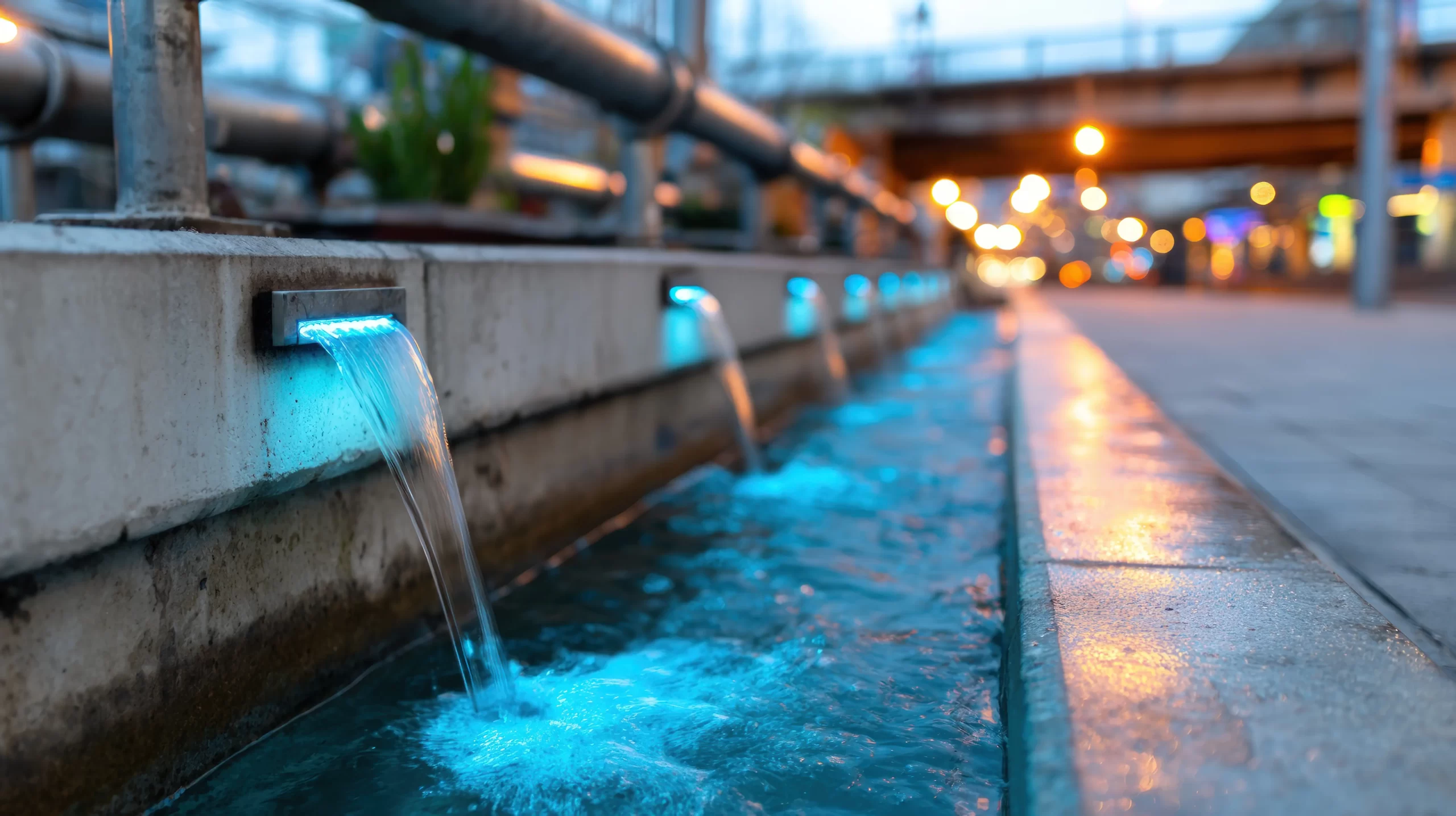
New Yorkers love to talk about their tap water. It comes up in pizza debates, bagel lore, and casual boasts to out-of-town friends. The city’s water has a reputation — clean, fresh, better than most — and that pride runs deep. But the obsession isn’t just civic ego. It’s rooted in how the city is built, how its systems work, and how closely water is tied to everyday life here.
New York City draws much of its water from protected upstate watersheds, delivering it largely unfiltered through an extensive system of reservoirs and aqueducts. That origin story matters. It gives residents a sense of connection to something larger than the city itself — mountains, forests, distance — all flowing into the kitchen sink.
But the pride also comes from contrast. In a dense, aging city, infrastructure failures are part of the landscape. Subways flood. Streets crack open. Buildings show their age. Against that backdrop, reliable tap water feels like a quiet success story — something that mostly works, most of the time, for millions of people.
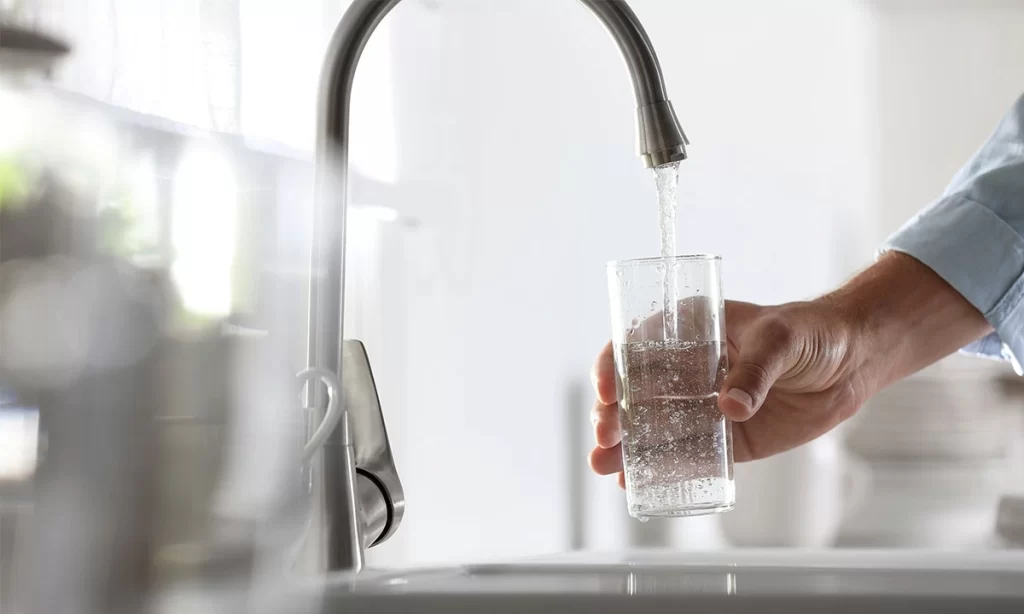
The obsession matters because it shapes behavior. New Yorkers are more likely to drink from the tap, refill bottles, and question the need for packaged water. That has environmental implications, economic implications, and public-health implications. Trust in tap water reduces plastic use and reinforces confidence in public systems.
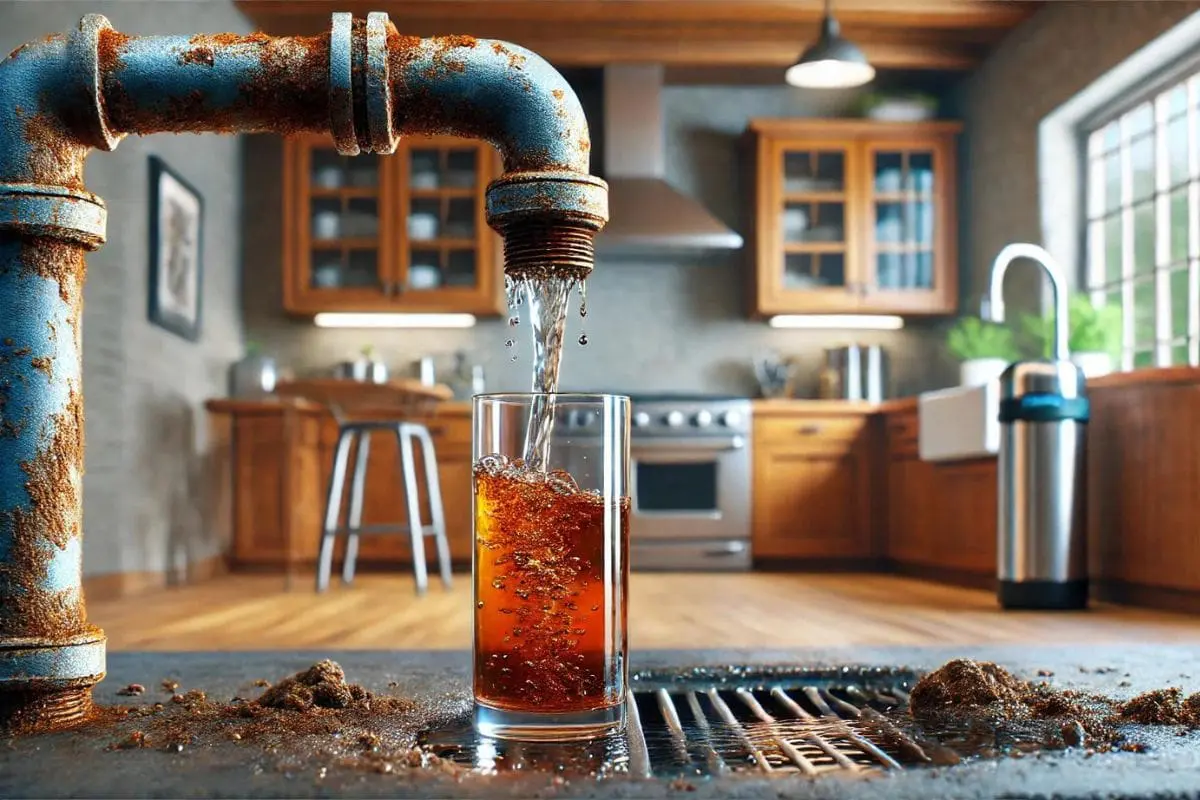
At the same time, pride can obscure nuance. Neighborhood differences, aging building plumbing, and occasional disruptions complicate the story. Loving the water doesn’t mean ignoring the system’s vulnerabilities.
NYC’s tap water obsession is really about identity. It reflects trust in shared infrastructure and a belief that some public systems are still worth believing in. In a city defined by complexity, that confidence matters — not because the water is perfect, but because understanding it keeps the relationship grounded in reality.